
SuperMoto Tires Florida
Master Florida SuperMoto Tires: Grip, Performance & Sunshine Riding
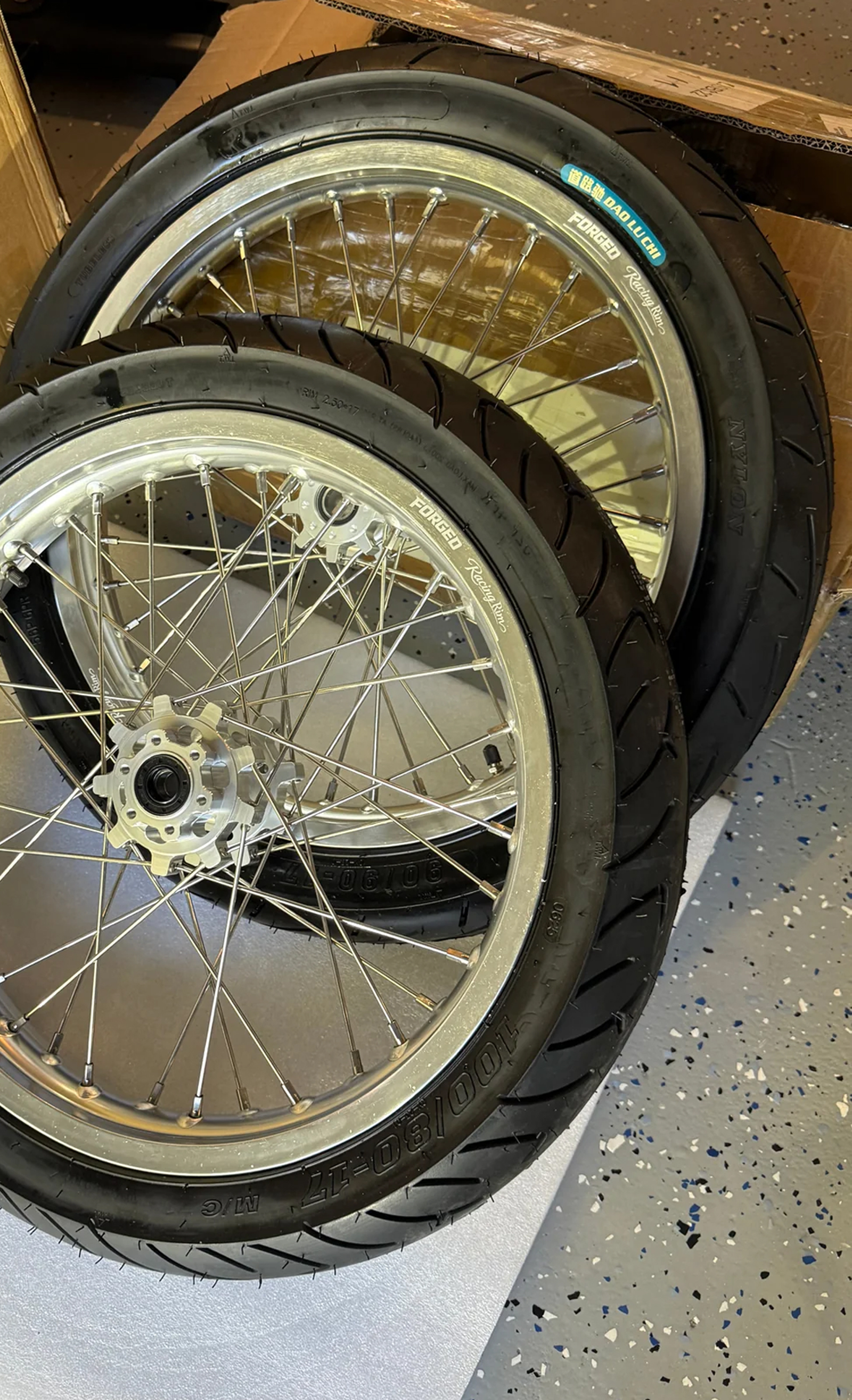
If you ride a SuperMoto in Florida, you already command one of the most versatile and exhilarating motorcycles on the market. From the sun-drenched coastal boulevards of Miami to the technical kart tracks of Central Florida, a properly configured SuperMoto bridges the gap between dirt-bike agility and sportbike precision. However, your machine is only as capable as the rubber connecting it to the pavement. Florida’s unique riding environment—defined by scorching asphalt, sudden torrential downpours, salty coastal air, and sandy patches near the beaches demands a specialized tire strategy.
Brought to you by Sunshine E-Ride, this comprehensive guide explores everything you need to know about selecting, maintaining, and maximizing SuperMoto tires in the Sunshine State.
Contact Us
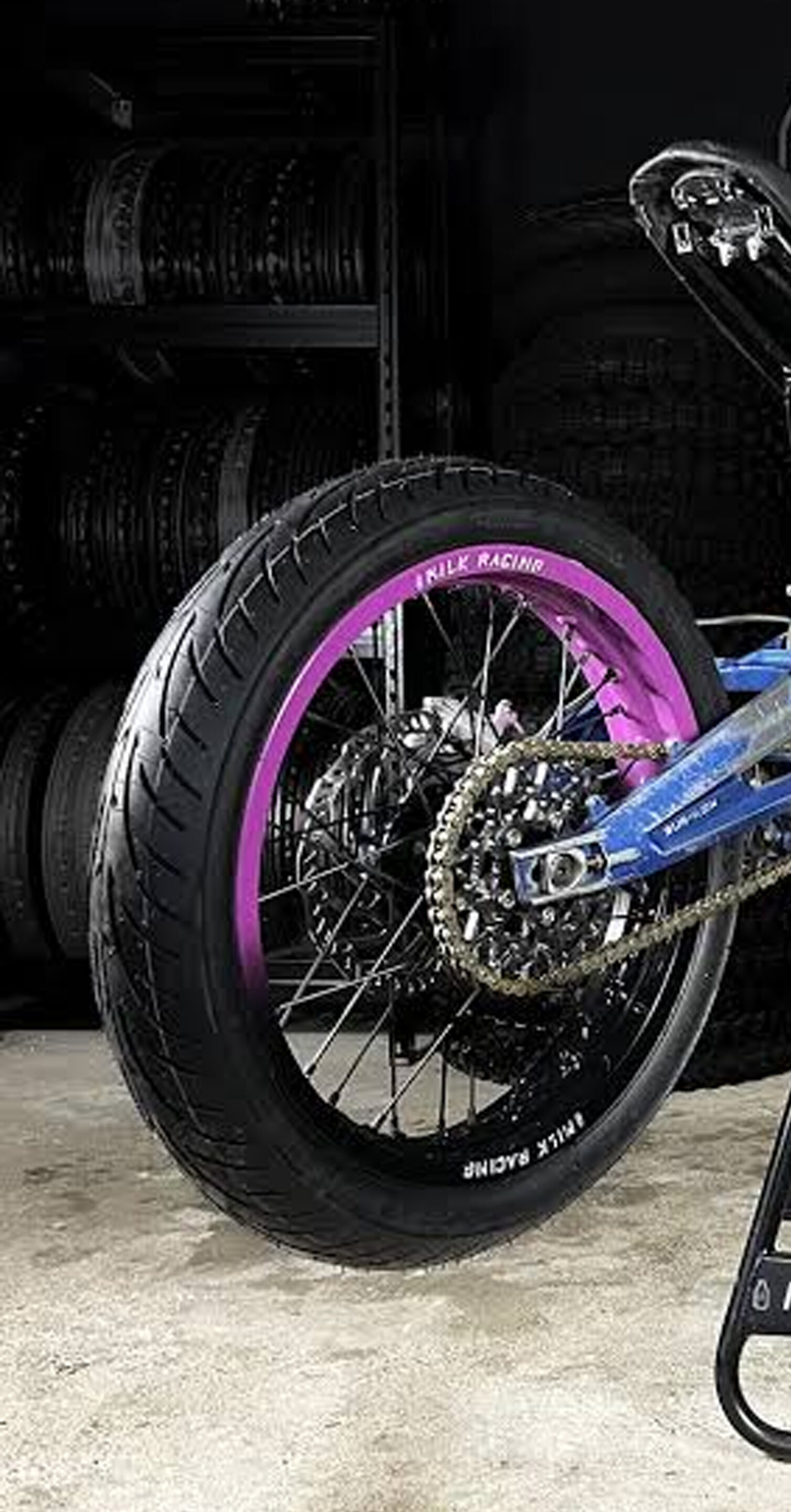
Why Florida Riding Demands Specialized SuperMoto Tires
Florida is a motorcyclist’s paradise, but the local climate introduces severe operational challenges that can quickly degrade standard or ill-suited tires. To push your SuperMoto safely to its limits, you must understand how local environmental factors impact your contact patch.
The Heat Factor
During peak summer months, asphalt temperatures in Florida routinely exceed 130°F (54°C). Standard touring tires overheat rapidly, transitioning into a "greasy" state that severely compromises traction. High-performance SuperMoto tires utilize advanced compound formulations engineered to manage extreme thermal loads without sacrificing structural integrity or prematurely melting away.
Sudden Tropical Downpours
Clear skies can transform into torrential downpours within minutes. Hydroplaning is a genuine hazard on state highways and urban thoroughfares alike. SuperMoto tires require meticulously engineered tread patterns (sipes) to rapidly evacuate standing water, preserving mechanical grip when roads turn slick.
Sand, Grit, and Debris
Due to Florida's flat coastal geography, wind and rain frequently deposit fine sand, shell fragments, and grit into corners and intersections. A predictable tire profile with progressive feedback allows riders to sense the precise limit of traction before a slip escalates into a slide.
Understanding SuperMoto Tire Categories
Matching your riding style to the correct tire category is essential for optimizing both safety and performance. SuperMoto tires generally fall into three primary classifications:
A. Street / Commuter SuperMoto Tires
- Best For: Daily urban commuters, city riders, and weekend explorers who prioritize longevity and wet-weather resilience over raw track grip.
- Characteristics: Harder center compounds for extended mileage, softer shoulder compounds for cornering confidence, and deep siping for effective water drainage.
B. Track-Day / Hyper-Sport Tires (DOT-Approved)
- Best For: Aggressive backroad enthusiasts, track-day junkies, and riders who demand maximum mechanical grip.
- Characteristics: Ultra-sticky soft compounds (often featuring multi-compound construction), minimal tread patterns to maximize rubber-on-road contact, and rigid sidewalls for crisp steering input.
C. Rain / Wet-Condition Tires
- Best For: Dedicated track riders operating in wet or damp circuit environments.
- Characteristics: Aggressive siping and soft compounds optimized for cold, wet tarmac. (Note: These degrade exceptionally fast when exposed to dry, high-temperature pavement).
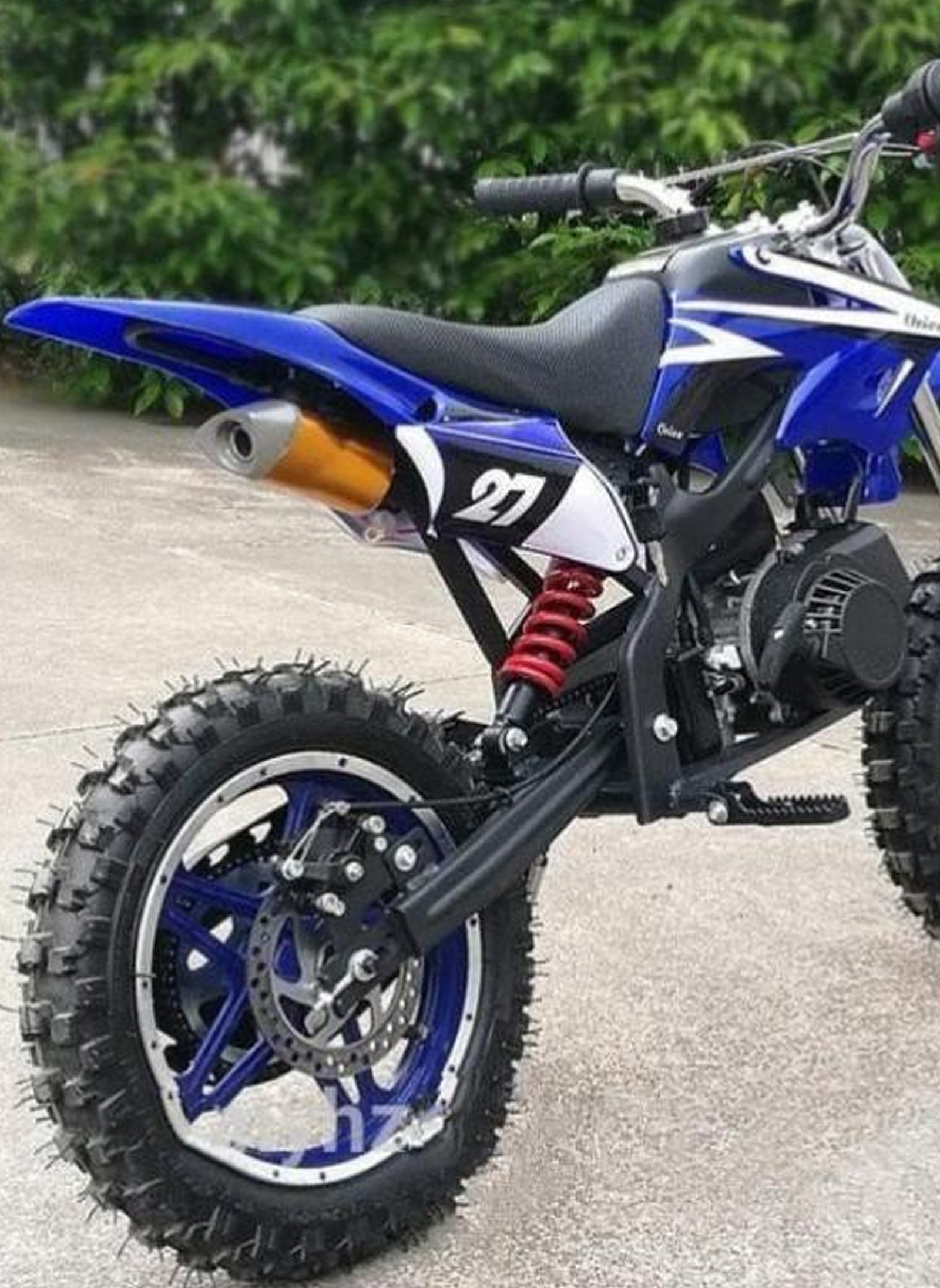
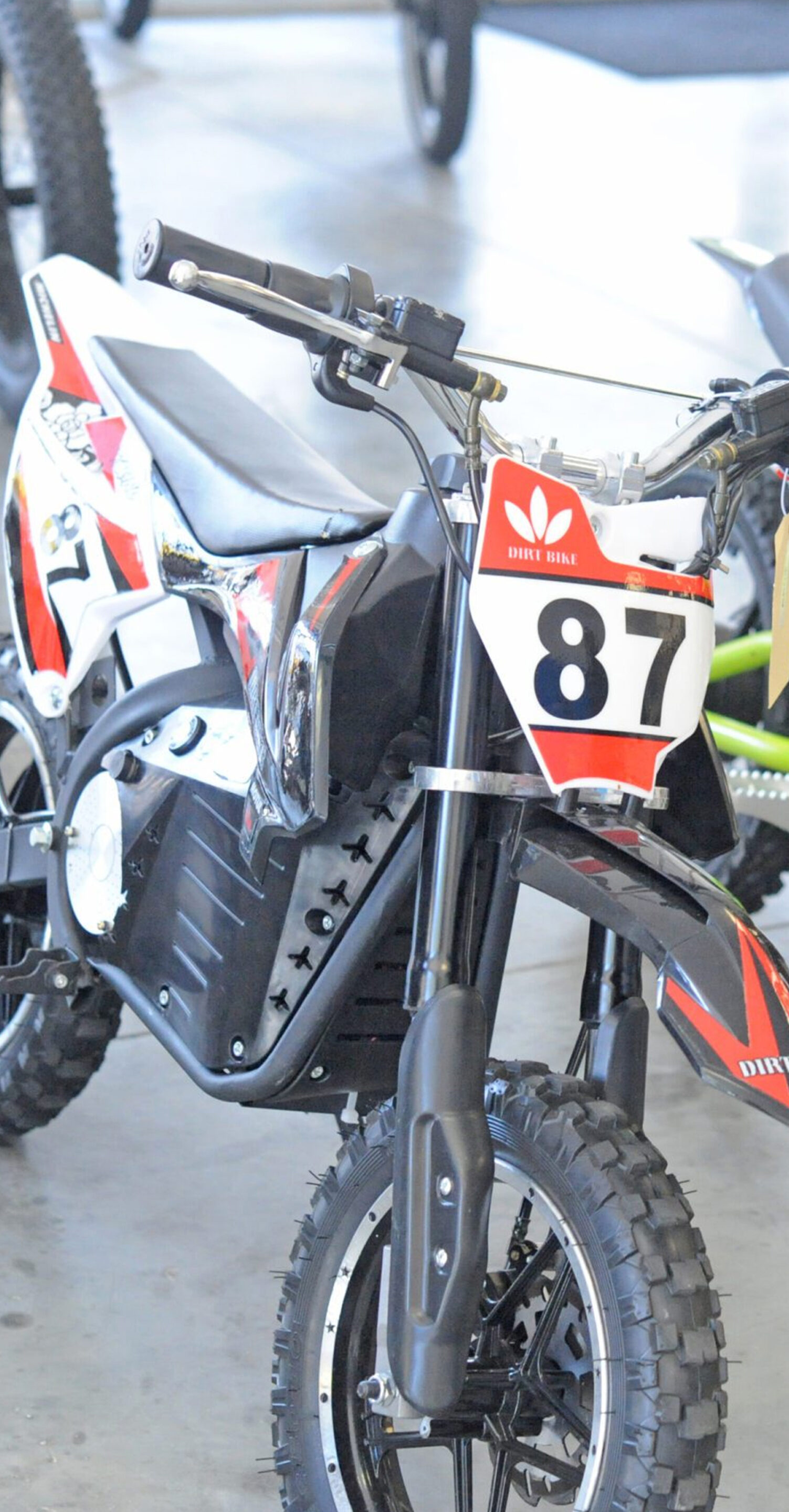
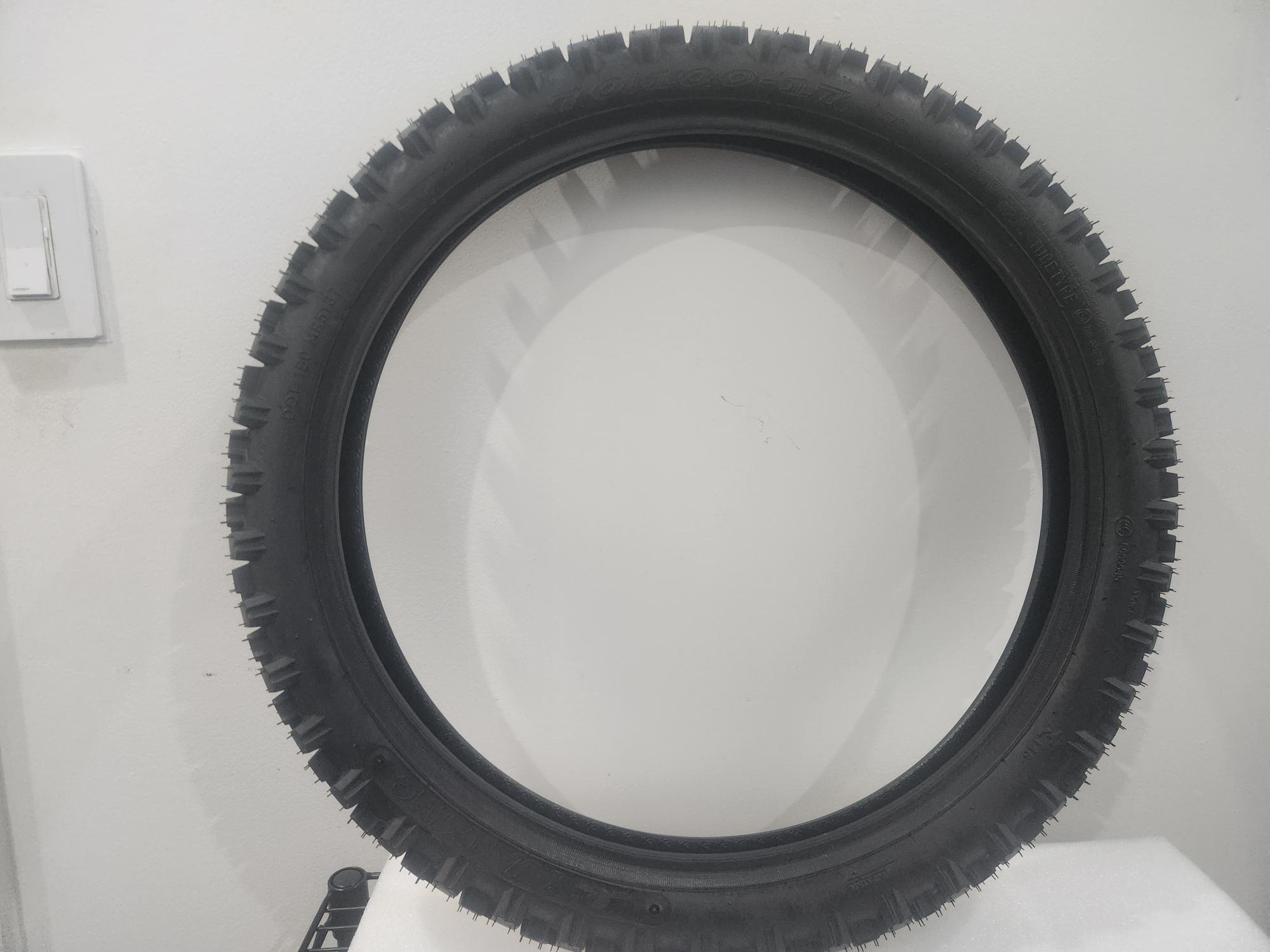
Top SuperMoto Tire Picks for the Sunshine State
At Sunshine E-Ride, we continuously evaluate cutting-edge tire technology to determine what performs best under Florida's intense sun and unpredictable weather. Here are the leading options currently shaping the Florida SuperMoto landscape:
1. Michelin Power Supermoto (The Track & Aggressive Street King)
For riders prioritizing absolute maximum grip, Michelin’s dedicated Supermoto line is industry-leading.
- Why it shines in Florida: Co-developed with elite SuperMoto racers, these tires offer telepathic feedback. The front tire is engineered to manage aggressive trail-braking, while the rear delivers explosive acceleration out of tight apexes.
- Ideal Use: Track days, tight kart circuits, and high-intensity canyon carving. (Expect a shorter lifespan on abrasive public streets).
2. Continental ContiAttack SM EVO (The Ultimate All-Rounder)
Balancing elite performance with practical mileage is essential for most street riders. The ContiAttack SM EVO remains a gold standard for SuperMoto applications.
- Why it shines in Florida: Continental’s RainGrip compound ensures exceptional wet-weather braking and cornering—crucial for sudden Florida rainstorms. Meanwhile, ZeroDegree steel-belted construction delivers high-speed stability and linear predictability at lean angles. Multi-compound technology ensures the center resists wear during straight-line commuting while the shoulders bite hard in corners.
- Ideal Use: Daily street commuting combined with aggressive weekend riding.
3. Bridgestone Battlax Hypersport S22 / S23
While classified as hypersport tires, specific size availability (such as 120/70-17 front and 160/60-17 or 140/70-17 rear) makes them a fantastic fit for lightweight-to-midweight SuperMotos.
- Why it shines in Florida: Bridgestone’s UltimatEYE design process yields a tire that handles thermal degradation remarkably well. When Florida pavement bakes in the sun, these tires maintain structural composure far better than budget alternatives.
- Ideal Use: Street riders demanding sportbike agility alongside high-speed highway stability.
4. Pirelli Diablo Rosso IV
Pirelli is globally renowned for Italian engineering and elite motorsport performance. The Diablo Rosso IV brings hypersport capabilities directly to street-oriented sizes.
- Why it shines in Florida: A stiff carcass resists deformation under severe braking loads vital when executing late-braking maneuvers on a lightweight SuperMoto. Furthermore, its silica-rich compound heats up almost instantaneously, delivering immediate traction from the moment you leave your garage.
- Ideal Use: Urban riders and twisty-road enthusiasts seeking rapid warm-up characteristics.
Tire Maintenance and Care in
Florida’s Climate
Investing in premium rubber is only half the battle. Mitigating Florida’s harsh environmental factors requires proactive tire care:
- Monitor Pressures Religiously: Dramatic ambient temperature fluctuations (cool mornings transitioning into scorching afternoons) cause significant internal pressure shifts. An improperly inflated tire runs hot, wears unevenly, and degrades handling. Always check pressures using a quality digital gauge while tires are cold.
- Combat UV Degradation: Intense sunlight and high UV indices accelerate rubber aging, causing hardening and micro-cracking over time particularly for bikes stored outdoors. Apply a quality UV protectant (strictly avoiding the tread surface) and utilize a breathable motorcycle cover.
- Inspect for Debris Frequently: Construction zones, roadside grit, and hidden debris make Florida asphalt hazardous. Make it a habit to run your hands along your tread surface weekly to identify embedded glass, staples, or nails.
Why Choose Sunshine E-Ride for Your Moto Needs?
At Sunshine E-Ride, we are more than just an online retailer—we are active riders who live and breathe motorcycle culture across the Sunshine State. We understand the precise operational demands of Florida terrain, whether you are cruising coastal routes, exploring backroads, or prepping for a track session. When you partner with us, you benefit from:
- Curated Product Excellence: We only stock brands and compounds that pass rigorous real-world testing.
- Expert Technical Support: Unsure about correct sizing, rim widths, or compound selection? Our specialists are always ready to dial in your setup.
- Rapid Fulfillment: Fast, dependable shipping gets your gear to your door quickly so you spend less time wrenching and more time riding.
Conclusion
Upgrading to the correct set of SuperMoto tires fundamentally transforms your motorcycle's handling dynamics. In Florida, you require rubber engineered to withstand blistering asphalt, manage sudden downpours, and deliver razor-sharp precision under hard cornering loads. Do not let subpar tires limit your machine's true potential. Equip your ride with industry-leading rubber, ride responsibly, and make the most of the sunshine.
Ready to elevate your grip? Explore our curated catalog and gear up today at https://sunshineeride.com/!
Frequently Asked Questions
Q: Can I install standard dirt bike tires on SuperMoto wheels?
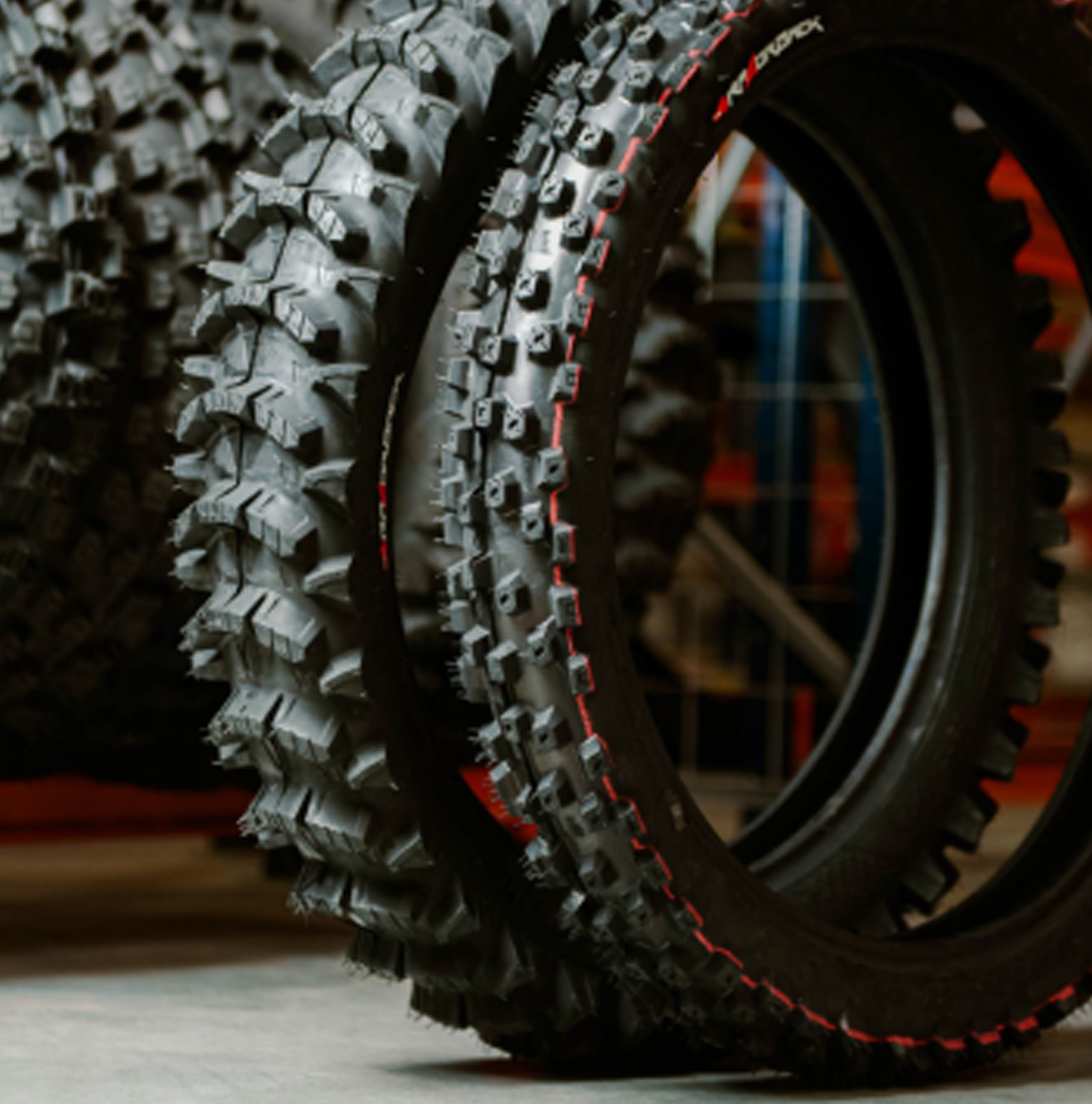
A: No. SuperMoto conversion wheels typically feature 17-inch rims front and rear (compared to 21-inch front and 18/19-inch rear dirt setups). You must install 17-inch street-legal or track-oriented motorcycle tires engineered for pavement to ensure safe handling, structural integrity, and proper braking performance.
Q: What tire pressure should I run on my SuperMoto in Florida?
A: While optimal pressure depends on your specific tire model, bike weight, and riding environment, a reliable baseline for street SuperMotos is generally 26 to 29 PSI in the front and 28 to 32 PSI in the rear (measured cold). Track environments often necessitate adjusted hot pressures to maximize the contact patch. Always verify specifications via your manufacturer's data sheet.
Q: How often should I replace my SuperMoto tires?
A: Because SuperMotos are lightweight, highly agile, and frequently ridden with aggressive throttle inputs, rear tires experience faster wear than heavy cruiser tires sometimes requiring replacement every 2,500 to 5,000 miles. If your tread depth approaches the wear indicators, or if heat cycles have squared off and hardened the rubber, it is time for a fresh set from Sunshine E-Ride
Q: Why does my SuperMoto tire feel "greasy" or slide unexpectedly on hot Florida asphalt?
A: This typically happens when a tire overheats because its rubber compound is too soft for prolonged high-temperature street riding, or when tire pressures are set too high (causing the contact patch to shrink and overheat). Switch to a multi-compound sport-touring tire like the Continental ContiAttack SM EVO, and ensure your cold tire pressures are properly adjusted.
Q: What should I do if I experience sudden hydroplaning during a Florida tropical downpour?
A: Do not panic or grab a handful of front brakes, which can instantly wash out the front end. Ease off the throttle smoothly, keep the bike upright and traveling in a straight line, and gently apply both brakes only once you have slowed down. To prevent this, ensure your tires have deep siping and adequate tread depth before riding in the rainy season.
Q: My rear tire is wearing out flat in the center while the edges look brand new. How can I fix this?
A: This "squaring off" is common in Florida due to long stretches of straight highway commuting and flat coastal roads. To combat this, look for tires featuring multi-compound technology (harder center, softer shoulders) and make a conscious effort to safely carve through twisty backroads or roundabouts to distribute wear more evenly across the shoulder profile.
Q: Why is my brand-new SuperMoto tire losing pressure slowly over a few days?
A: Slow leaks are frequently caused by micro-punctures from hidden debris (like tiny wire staples or shell fragments common on Florida roads), a faulty valve core, or an improper bead seal during installation. Check the valve core with a cap, submerge the wheel to look for bubbles if necessary, or bring it to a professional shop to inspect for embedded punctures.
Q: Can I use track-day sticky tires for my daily commuting in Florida?
A: While you can, it is generally not recommended. Dedicated track-day compounds (like full-race Michelin or Pirelli options) are designed to heat up rapidly under aggressive track loads. Commuting on the highway will cause them to wear out astonishingly fast sometimes in under 1,500 miles and they perform poorly in heavy standing water during unexpected rainstorms.
Q: How do I prevent my SuperMoto tires from cracking and degrading while parked outside in the Florida sun?
A: UV rays and extreme heat degrade rubber rapidly. To protect your investment, park in shaded areas whenever possible, use a breathable motorcycle cover, and apply a specialized UV-blocking tire protectant (ensuring you keep it entirely off the tread surface so you don't compromise traction).
Q: My front end chatters and feels vague when I trail-brake hard into corners. Is this a tire issue or a suspension issue?
A: It can be a combination of both. If your front tire pressure is too high, or if the tire profile is worn and stepped, it will lose compliance. However, it may also indicate that your front forks are diving too fast, requiring heavier fork springs or adjusted rebound damping. Start by verifying your cold tire pressures, and check your front suspension sag.
Q: Why does my bike feel unstable or wobbly at high speeds on the highway?
A: SuperMotos have upright, dirt-bike-derived riding geometries and wide handlebars, making them sensitive to aerodynamic crosswinds common on Florida bridges and highways. However, a high-speed weave can also be caused by incorrect tire balance, uneven tire wear, low tire pressure, or a misaligned rear wheel. Check your chain alignment and tire balance weights first.
Q: What is the proper way to break in a brand-new set of SuperMoto tires?
A: New tires are slick due to mold-release agents used during manufacturing. For the first 50 to 100 miles, avoid aggressive acceleration, hard trail-braking, and extreme lean angles. Gradually build up heat and lean angle over your first few rides to safely scuff away the surface glaze and expose the high-grip rubber underneath.